
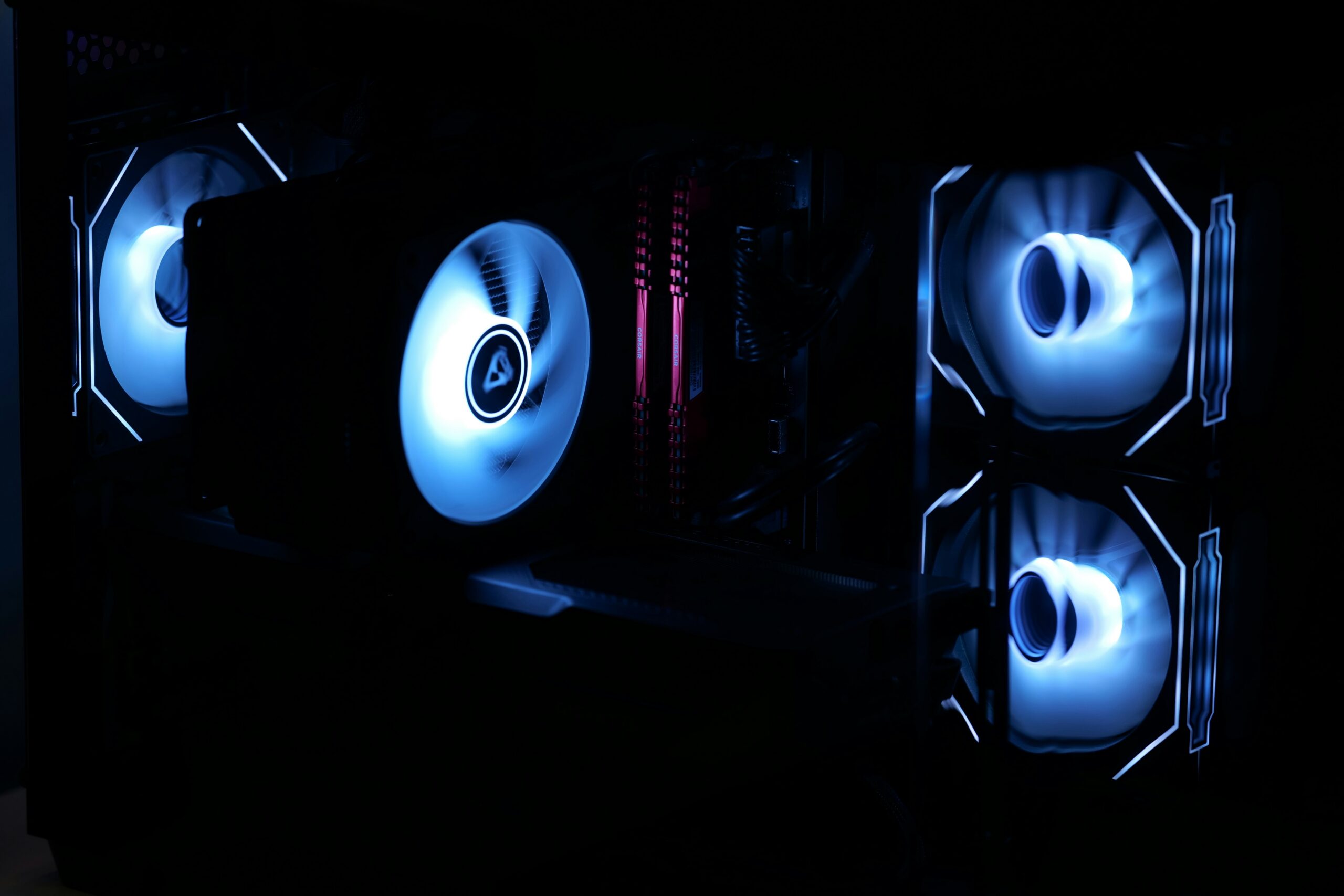
Computer performance refers to how quickly and smoothly a system responds to user actions. It is influenced by several factors working together rather than a single component. Understanding these factors helps explain why some computers feel fast while others feel slow.
Performance is the result of how hardware and software interact during everyday use.
What this actually means in practice
In daily use, performance affects how fast programs open, how smoothly applications run, and how responsive the system feels. Actions such as browsing the web, switching between apps, or opening files are directly impacted by performance.
When performance is good, tasks feel immediate and fluid. When performance is limited, delays, lag, or unresponsiveness may occur. These differences are often noticeable even during simple activities.
Users experience performance as an overall impression rather than as the result of a single component.
How performance is determined at a high level
Performance depends on how efficiently a system processes tasks. The processor handles instructions, memory provides quick access to active data, and storage supplies files and applications.
If one component becomes a bottleneck, overall performance may be affected. For example, slow access to data can delay tasks even if other components are capable.
The operating system also plays a role by managing resources and prioritizing tasks. How well it coordinates hardware usage influences the system’s responsiveness.
What affects performance in real-world usage
Several factors influence performance during everyday use. Hardware capabilities such as processing power, memory capacity, and storage speed all contribute.
Software design also matters. Applications that require more resources or run many background tasks can reduce available capacity for other activities.
Usage patterns affect performance as well. Running many programs at once or working with large files increases demand on system resources.
Common misunderstandings about computer performance
A common misconception is that performance depends only on the processor. In reality, memory, storage, and software behavior are equally important.
Another misunderstanding is that a computer becomes slow only because it is old. While aging hardware can play a role, software changes and usage patterns often have a greater impact.
Some users believe performance issues always indicate a malfunction. In many cases, they are simply the result of limited resources being shared among tasks.
FAQ
Does more memory always improve performance?
It can help when memory is limited, but it does not improve performance in all situations.
Can software updates affect performance?
Yes. Updates can change how resources are used, sometimes improving efficiency and sometimes increasing demand.
Is performance the same for all tasks?
No. Different tasks place different demands on system components.
Conclusion
Computer performance is influenced by a combination of hardware, software, and usage patterns. No single component determines how fast a system feels. Understanding these factors helps explain why performance can vary and how systems behave during everyday tasks.