
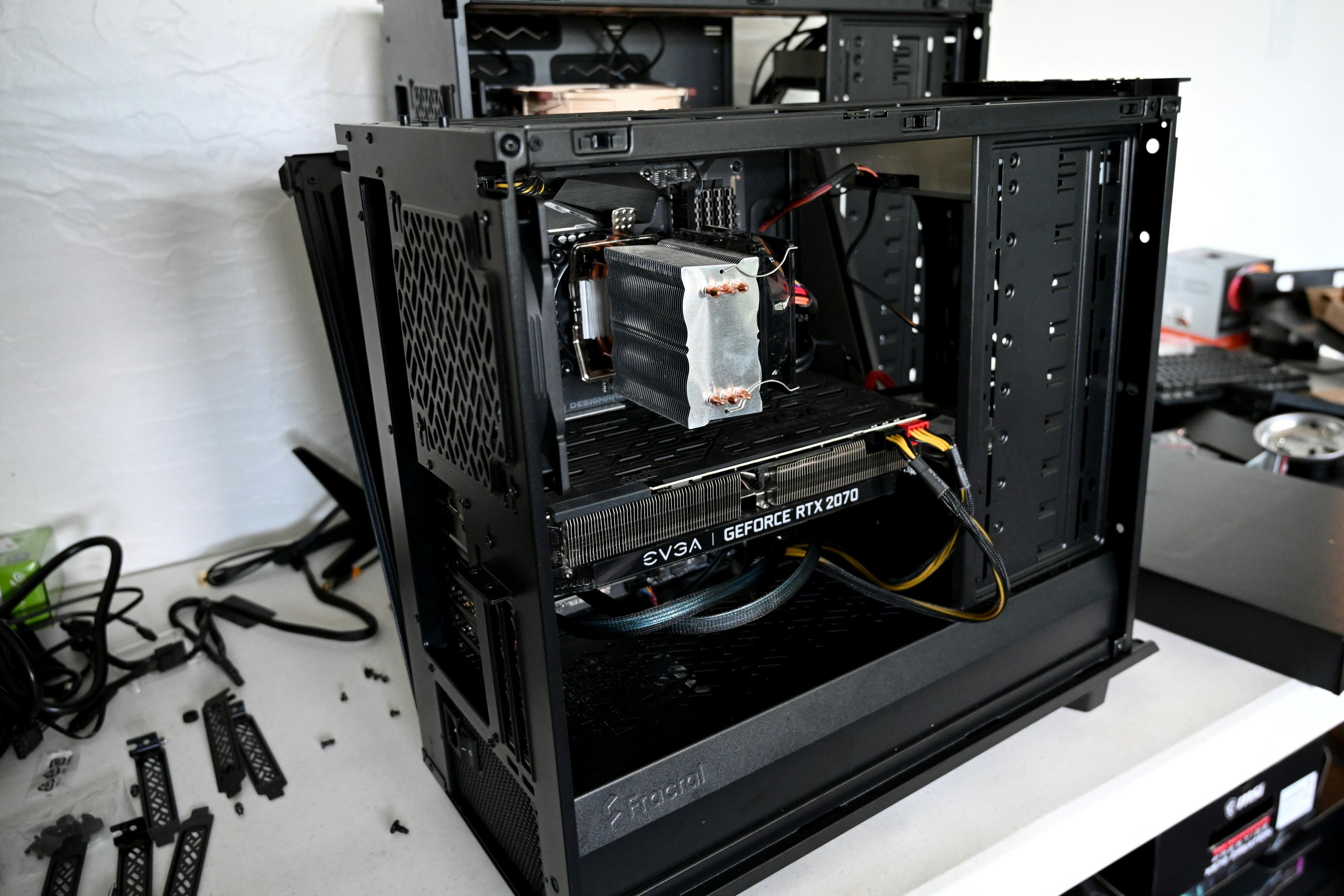
Hardware ages over time as its components are used and exposed to operating conditions. This aging process is gradual and affects performance, reliability, and efficiency. It happens even when devices are used normally and cared for properly.
Aging does not mean hardware suddenly stops working. Instead, it slowly changes how components behave over extended periods.
What this actually means in practice
In everyday use, aging hardware may feel slightly slower or less efficient than when it was new. Tasks may take longer, systems may generate more heat, or components may operate closer to their limits.
Most users notice aging indirectly. A device that once handled tasks easily may struggle with newer software or higher demands. This is often a result of both hardware aging and changing usage patterns.
Hardware aging is normal and expected. It affects all devices, from laptops and desktops to phones and other electronics.
How hardware ages at a high level
Hardware aging occurs due to physical and electrical stress. Components heat up and cool down repeatedly, materials slowly degrade, and electrical pathways experience wear over time.
Moving parts, such as fans, experience mechanical wear. Solid-state components are affected by electrical usage and temperature exposure.
These changes are usually slow and predictable. Systems are designed with tolerance margins to ensure they continue functioning safely as components age.
What hardware aging affects in real-world usage
Aging can affect performance consistency and efficiency. Components may operate less optimally, leading to higher power usage or increased heat generation.
Reliability can also change over time. While many systems continue working for years, older hardware may be more sensitive to demanding workloads.
Compatibility is another factor. As software evolves, older hardware may no longer meet recommended requirements, even if it still functions correctly.
Common misunderstandings about hardware aging
A common misconception is that hardware becomes obsolete only because of software updates. While software changes matter, physical aging also plays a role.
Another misunderstanding is that careful use completely prevents aging. Good care can slow aging, but it cannot stop it entirely.
Some users believe aging always leads to sudden failure. In reality, most hardware issues develop gradually rather than abruptly.
FAQ
Does hardware aging mean devices must be replaced quickly?
No. Many devices function reliably for years despite gradual aging.
Can hardware aging be reversed?
No. Aging is permanent, but its effects can often be managed.
Is aging the same for all components?
No. Different components age at different rates depending on use and conditions.
Conclusion
Hardware aging is a natural process that occurs as components are used over time. It affects performance, efficiency, and compatibility gradually rather than suddenly. Understanding how hardware ages helps explain long-term changes in device behavior and lifespan.