
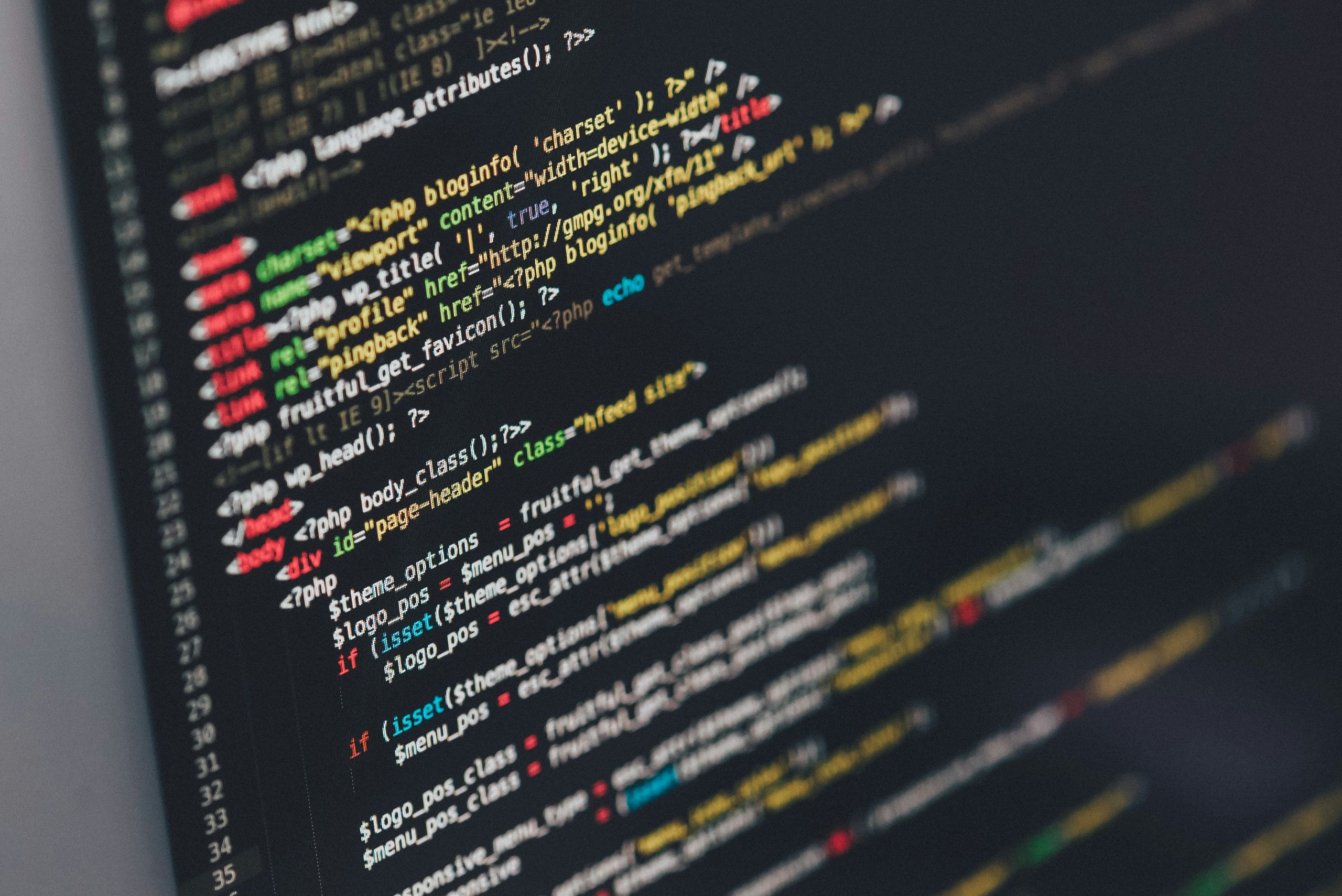
Hardware and software are the two main parts that make a computer work. Hardware refers to the physical components you can see and touch, while software refers to the programs and instructions that tell the hardware what to do. Both are essential and depend on each other to function properly.
Without hardware, software cannot run. Without software, hardware has no instructions to follow.
What this actually means in practice
In everyday use, hardware is the device itself, such as a computer, laptop, or phone. Software is what allows you to use that device to perform tasks like browsing the web, writing documents, or watching videos.
When you click an icon to open a program, software instructions are executed using hardware components. The hardware performs calculations, stores data temporarily, and displays results based on those instructions.
Users interact with software directly, but every action relies on hardware working in the background to make it possible.
How hardware and software work together
Hardware provides the resources needed for computation, such as processing power, memory, and storage. Software uses these resources to perform tasks and manage operations.
The operating system acts as a bridge between hardware and software. It ensures that applications can access hardware safely and efficiently without interfering with each other.
When software runs, it sends requests to the operating system, which then communicates with the hardware. This coordination allows complex tasks to be performed smoothly.
What hardware and software affect in real-world usage
Hardware affects how fast and efficiently a device can perform tasks. Factors such as processor speed, memory capacity, and storage type influence performance and responsiveness.
Software affects what tasks a device can perform and how users interact with it. Different software can make the same hardware behave very differently depending on design and functionality.
Both hardware and software influence reliability, compatibility, and user experience. A balance between the two is necessary for stable operation.
Common misunderstandings about hardware and software
A common misconception is that upgrading software can replace hardware limitations. While software updates can improve efficiency, they cannot fully compensate for insufficient hardware.
Another misunderstanding is that hardware alone determines performance. Poorly designed or outdated software can limit even powerful hardware.
Some users also believe software is permanent once installed. In reality, software can be updated, modified, or removed without changing the hardware.
FAQ
Can software exist without hardware?
No. Software requires hardware to run and execute instructions.
Can hardware work without software?
Only at a very basic level. Without software, hardware cannot perform meaningful tasks.
Is firmware hardware or software?
Firmware is a type of software that is closely tied to hardware and helps control basic functions.
Conclusion
Hardware and software serve different but complementary roles in computing. Hardware provides the physical foundation, while software provides the instructions that make devices useful. Understanding their difference helps explain how computers and digital devices function together.