How hardware ages over time

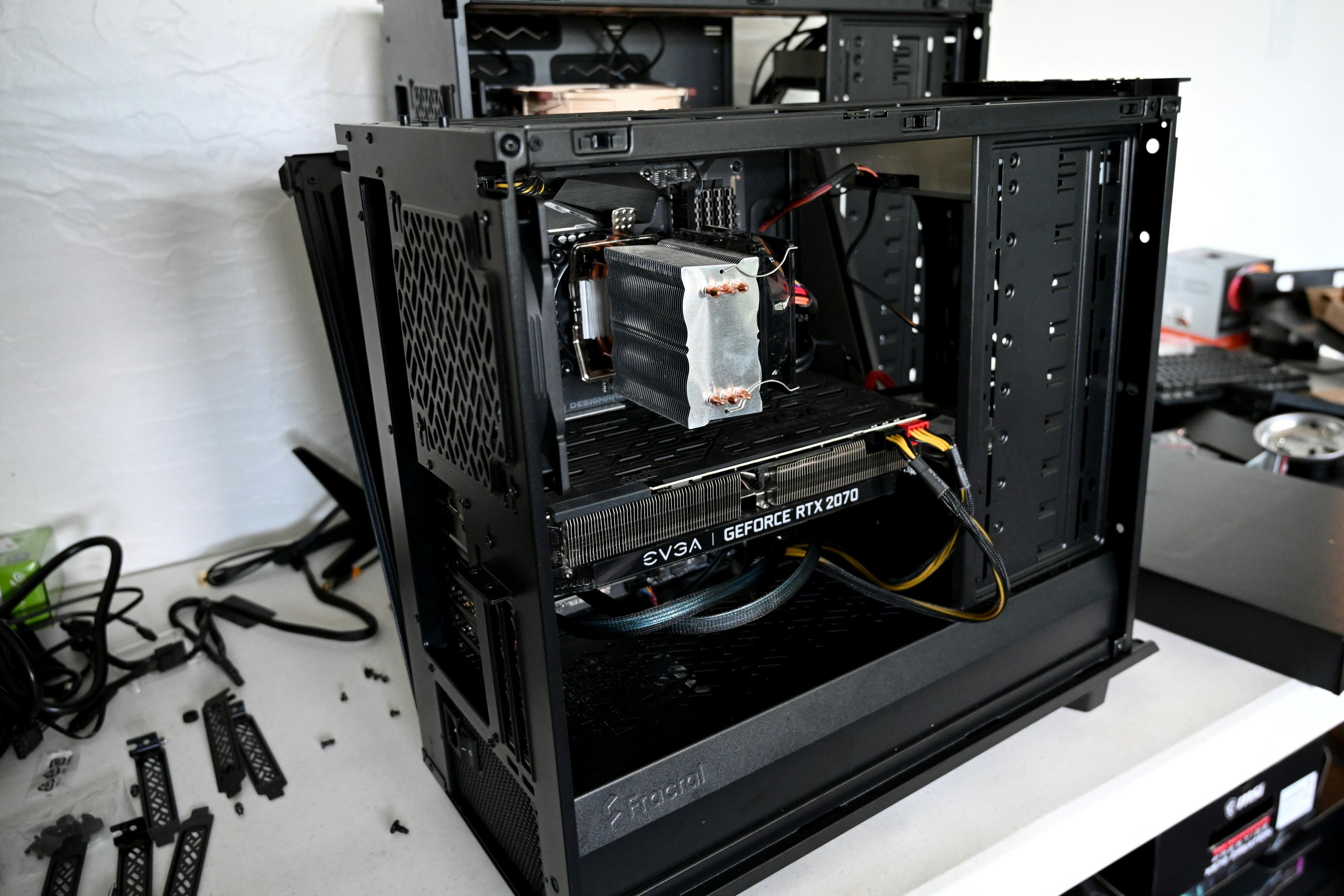
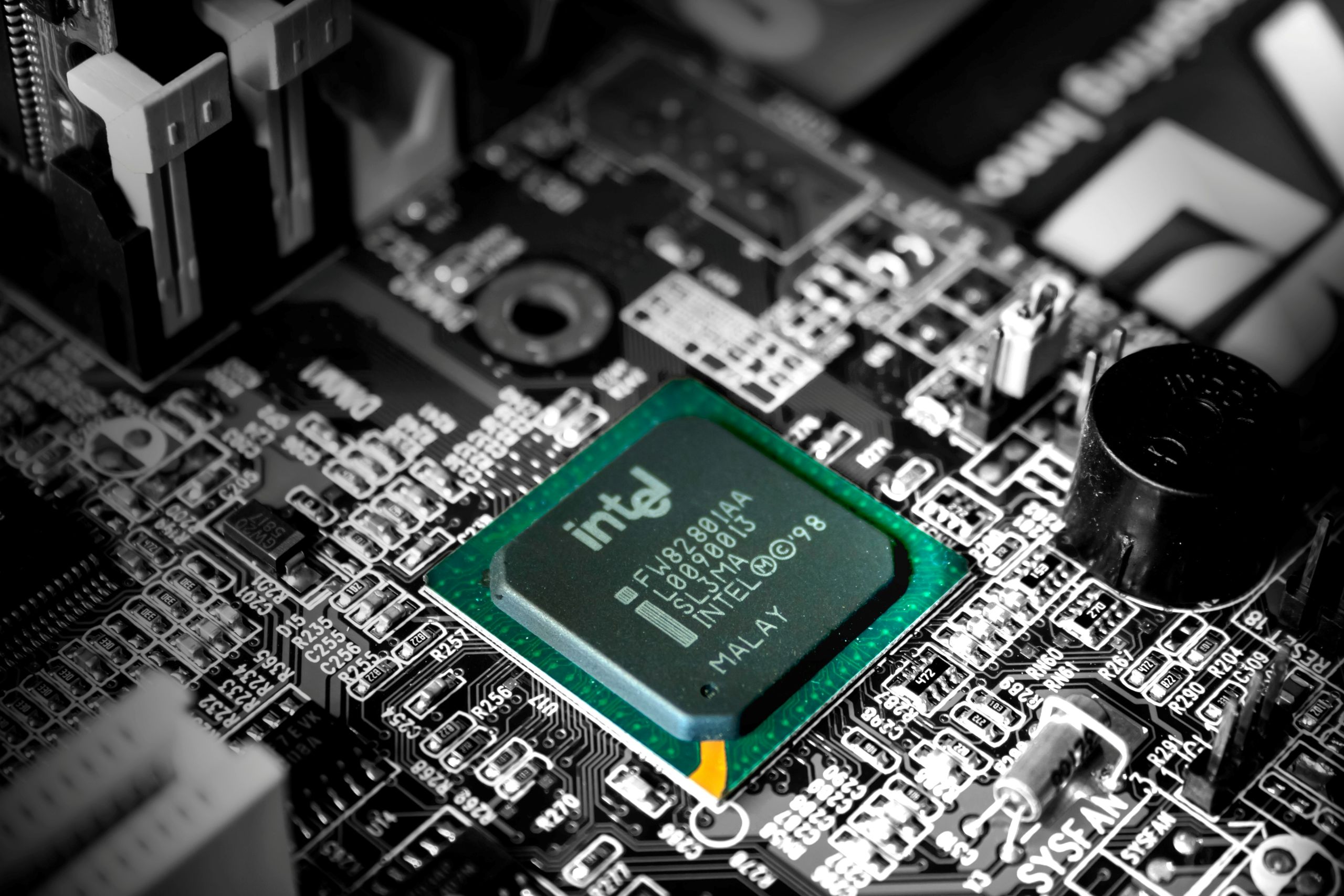
Hardware ages over time as its components are used and exposed to operating conditions. This aging process is gradual and affects performance, reliability, and efficiency. It happens even when devices are used normally and cared for properly. Aging does not mean hardware suddenly stops working. Instead, it slowly changes how components behave over extended periods. … Read more
How laptop batteries work

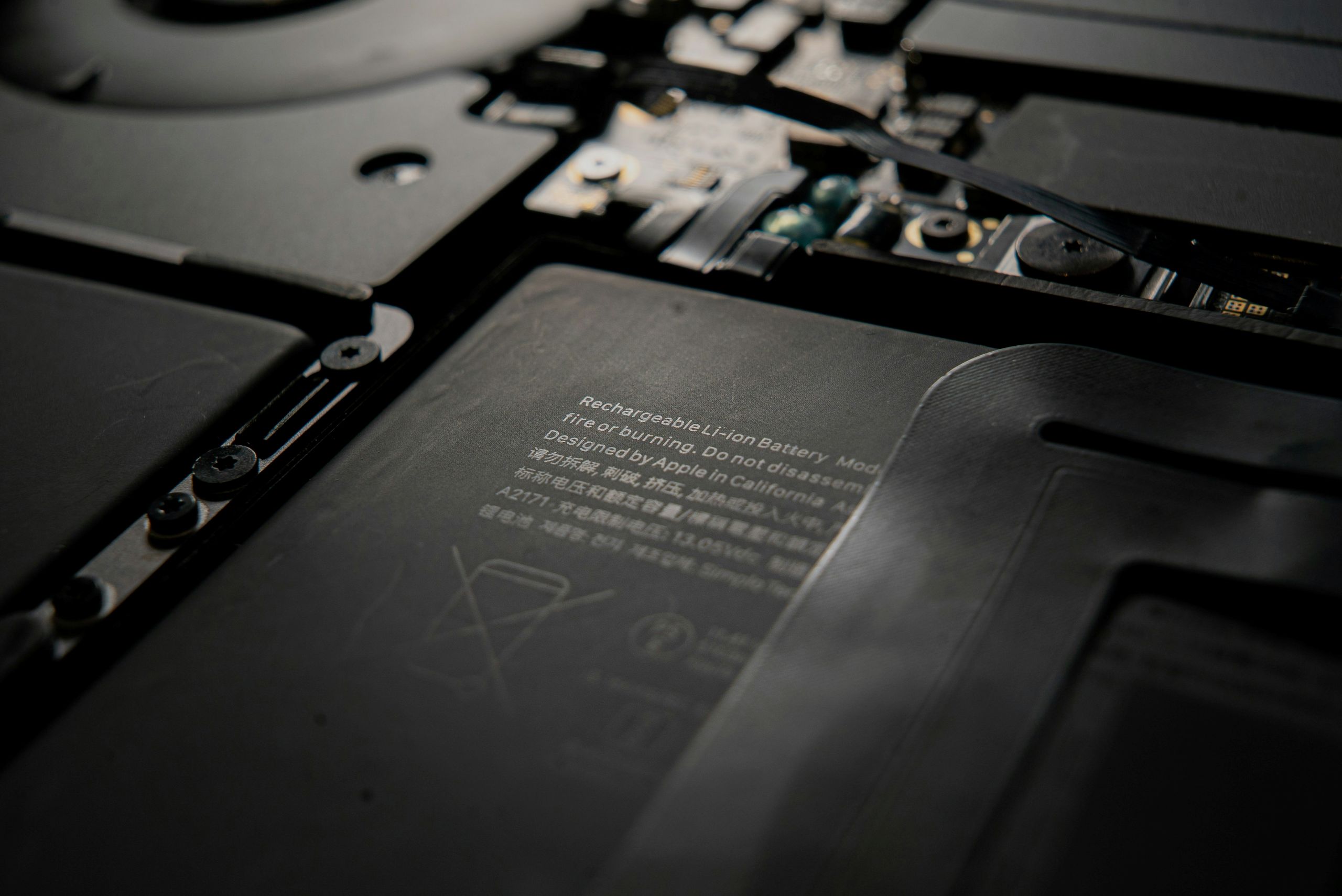
Laptop batteries provide portable power that allows computers to operate without being plugged into an outlet. They store electrical energy and release it gradually to supply the system while it is in use. This makes laptops usable in a wide range of environments. Batteries are designed to balance capacity, safety, and lifespan while delivering consistent … Read more

What are computer fans for

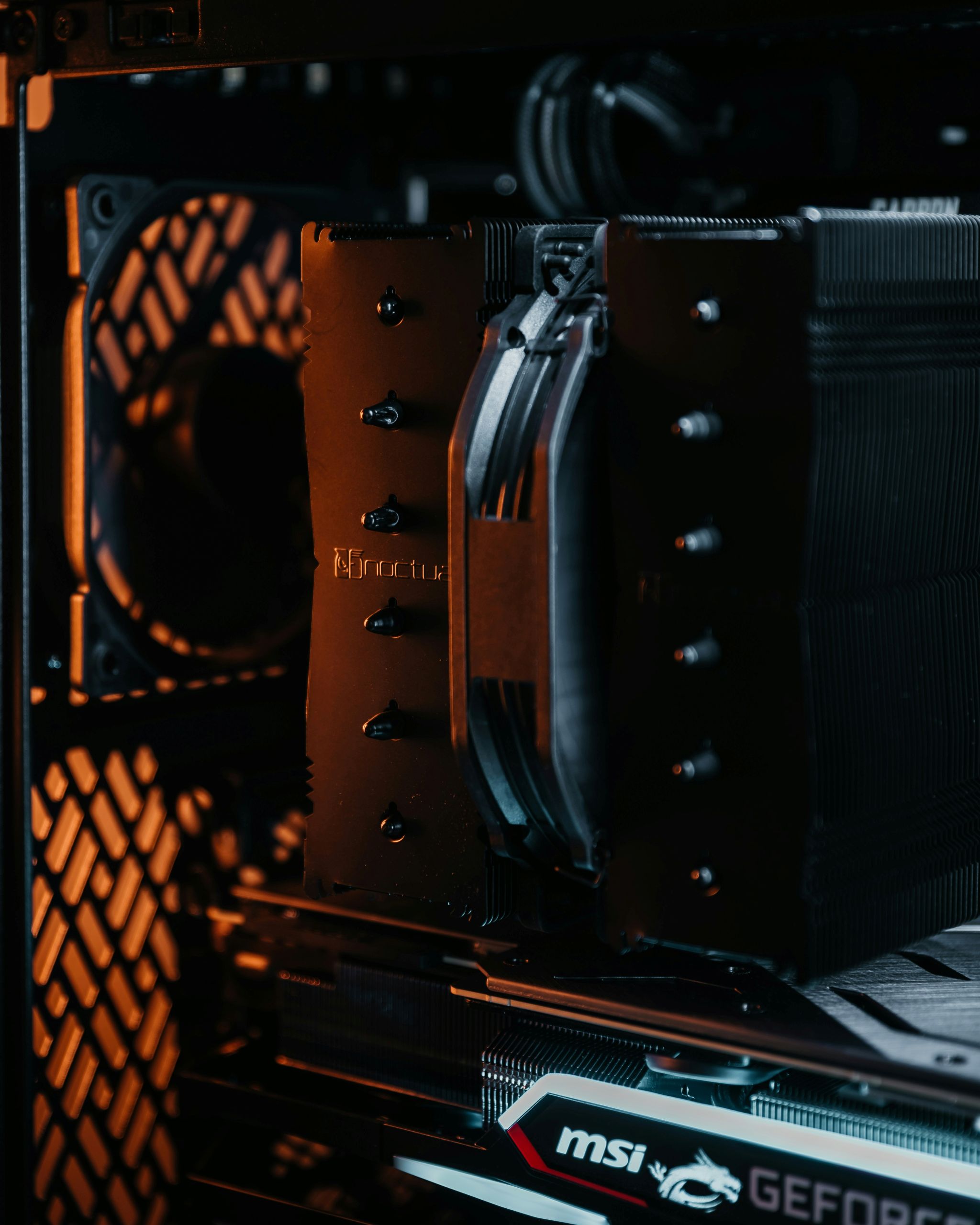
Computer fans are components designed to move air through a computer system. Their main purpose is to help remove heat generated by internal components. By circulating air, fans help keep temperatures within safe operating limits. Fans work automatically and adjust their activity based on how much heat the system produces. What this actually means in … Read more

How computer cooling works

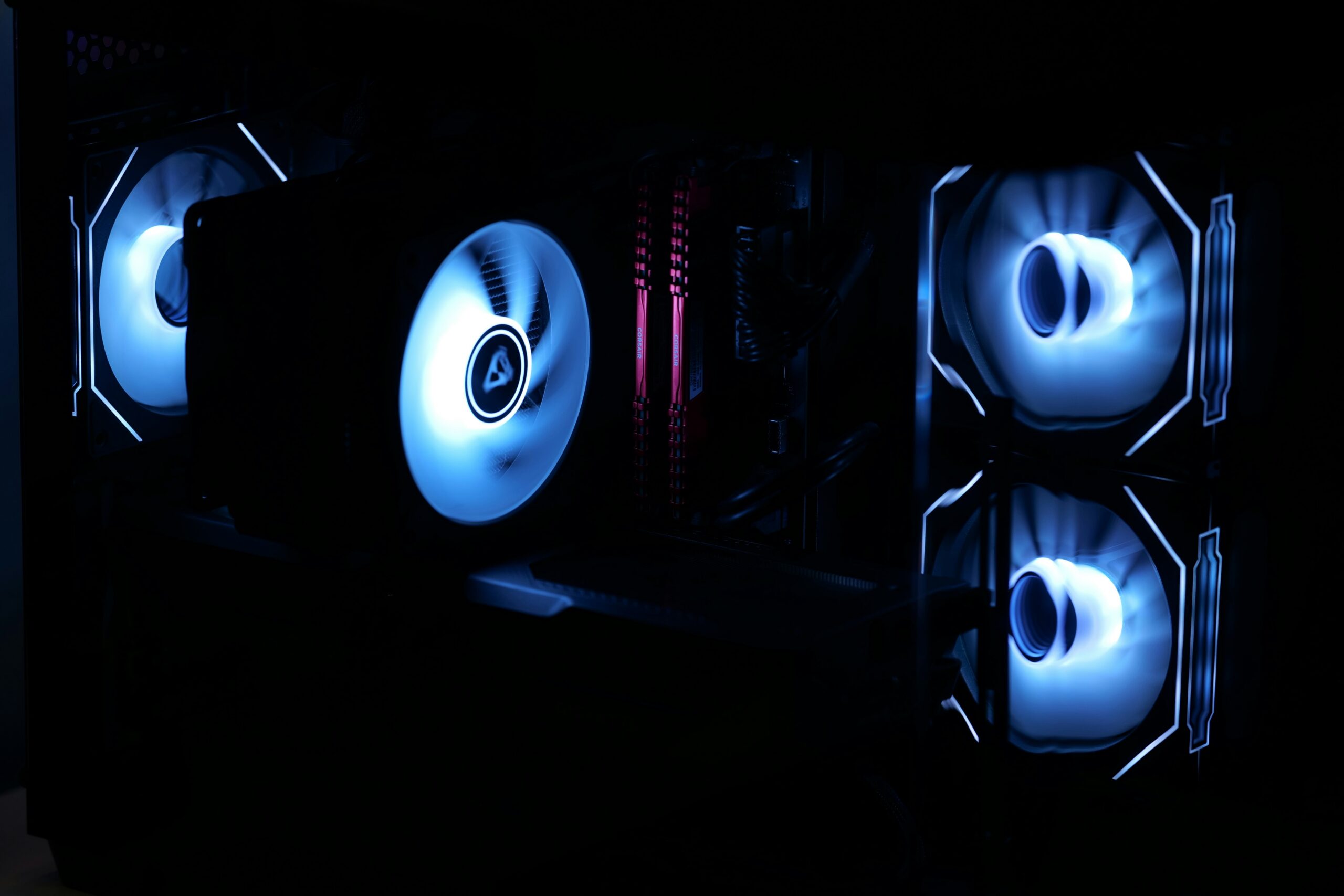
Computer cooling is the process of removing heat from internal components to keep the system operating safely. As a computer runs, its components generate heat, especially during active use. Cooling systems are designed to manage this heat and prevent damage or instability. Without proper cooling, a computer would quickly overheat and stop functioning correctly. What … Read more

What affects computer performance

Computer performance refers to how quickly and smoothly a system responds to user actions. It is influenced by several factors working together rather than a single component. Understanding these factors helps explain why some computers feel fast while others feel slow. Performance is the result of how hardware and software interact during everyday use. What … Read more

What does a graphics card do

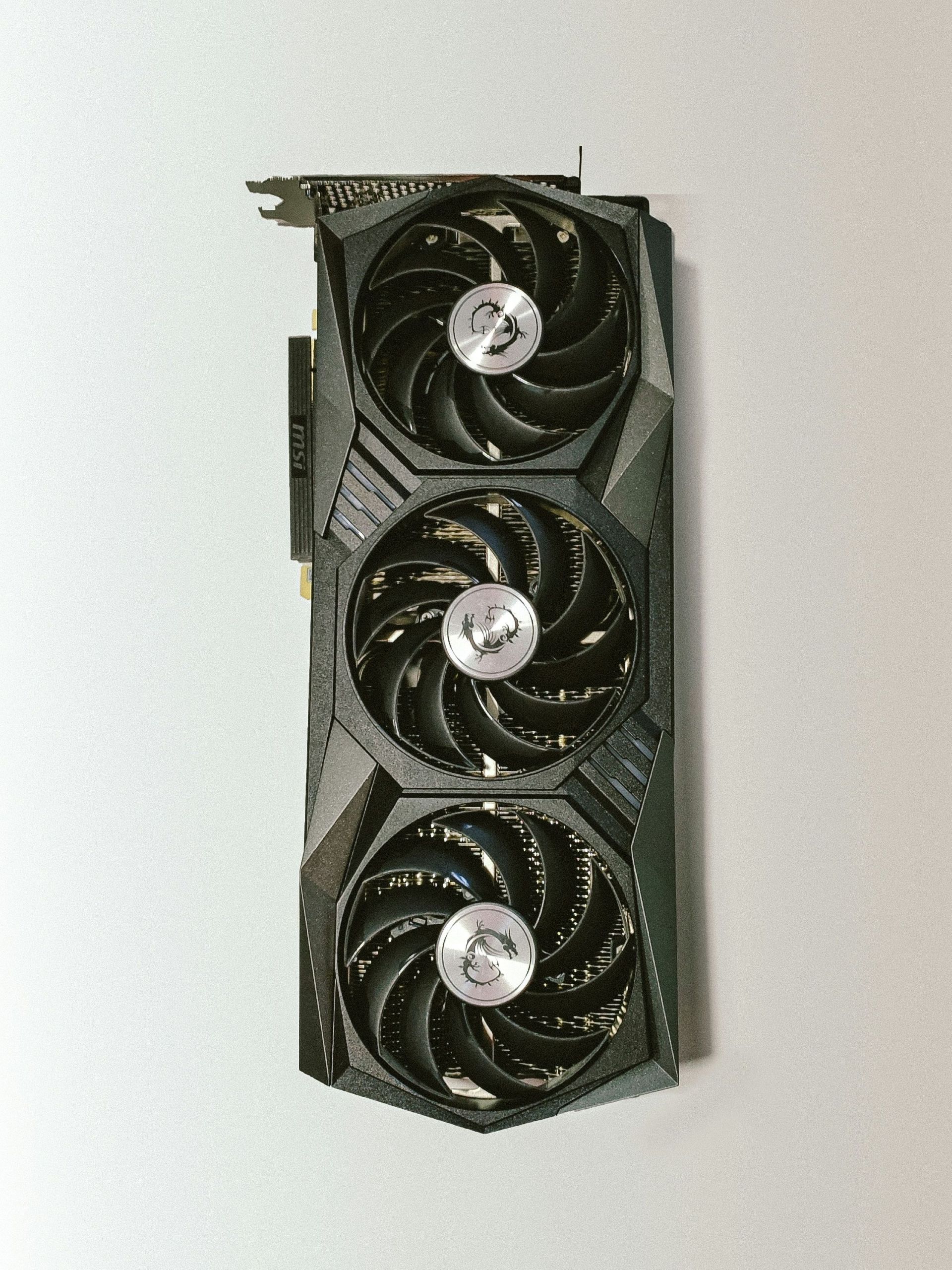
A graphics card is a component that processes visual information and sends it to a display. It is responsible for rendering images, videos, and graphical interfaces that appear on screens. By handling visual tasks, the graphics card helps ensure smooth and clear display output. Graphics cards work alongside the main processor to manage visual workloads … Read more

What is storage on a computer

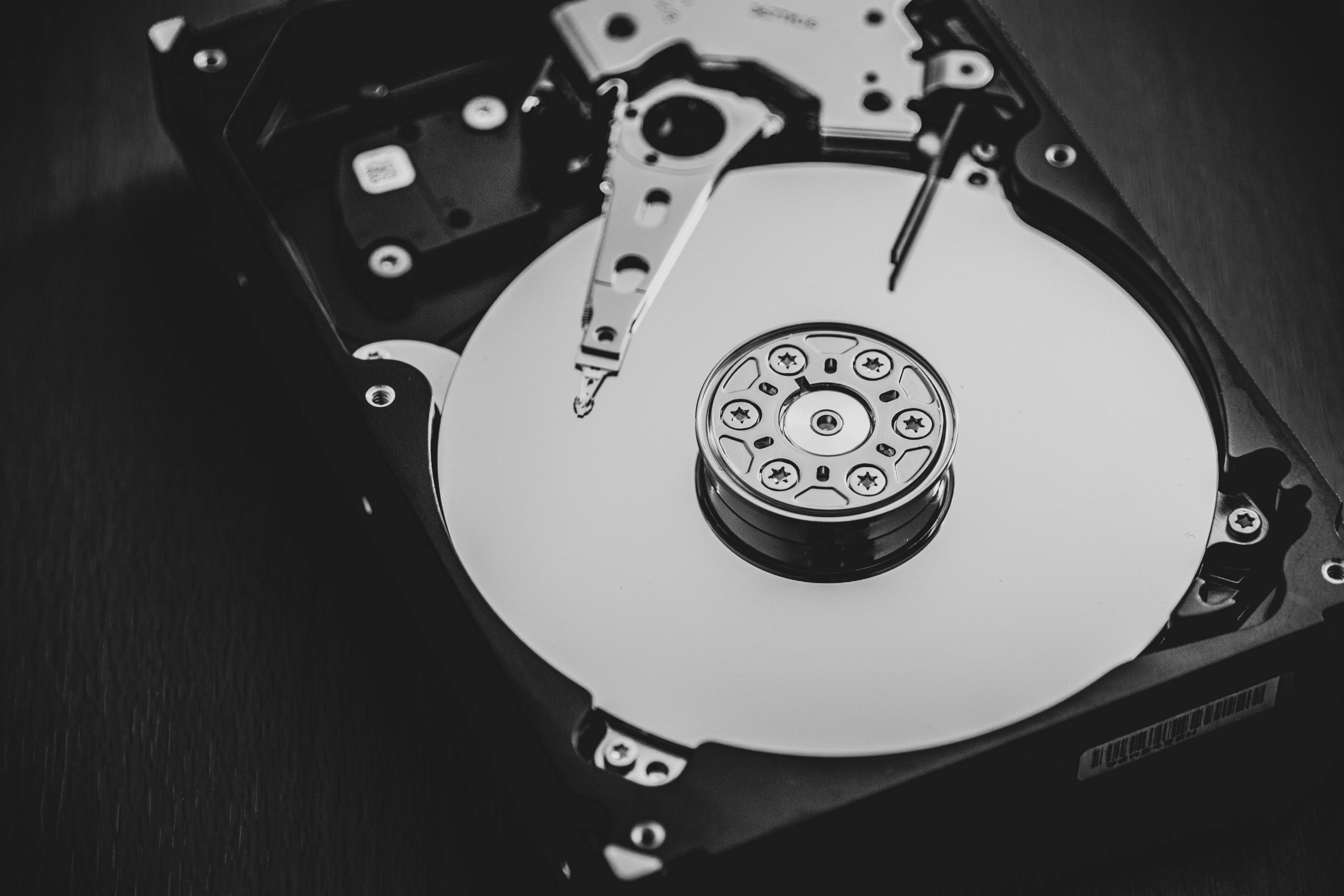
Storage on a computer is the component that keeps data permanently. It is where files, applications, and the operating system are saved so they remain available even when the computer is turned off. Storage allows users to keep information long term and access it whenever needed. Unlike temporary memory, storage is designed to retain data … Read more

What is a CPU

A CPU, or Central Processing Unit, is the main component responsible for processing instructions in a computer. It performs calculations, makes decisions, and coordinates tasks requested by software. Almost every action a computer performs involves the CPU in some way. The CPU works continuously while a device is powered on, handling both user actions and … Read more

Difference between RAM and storage

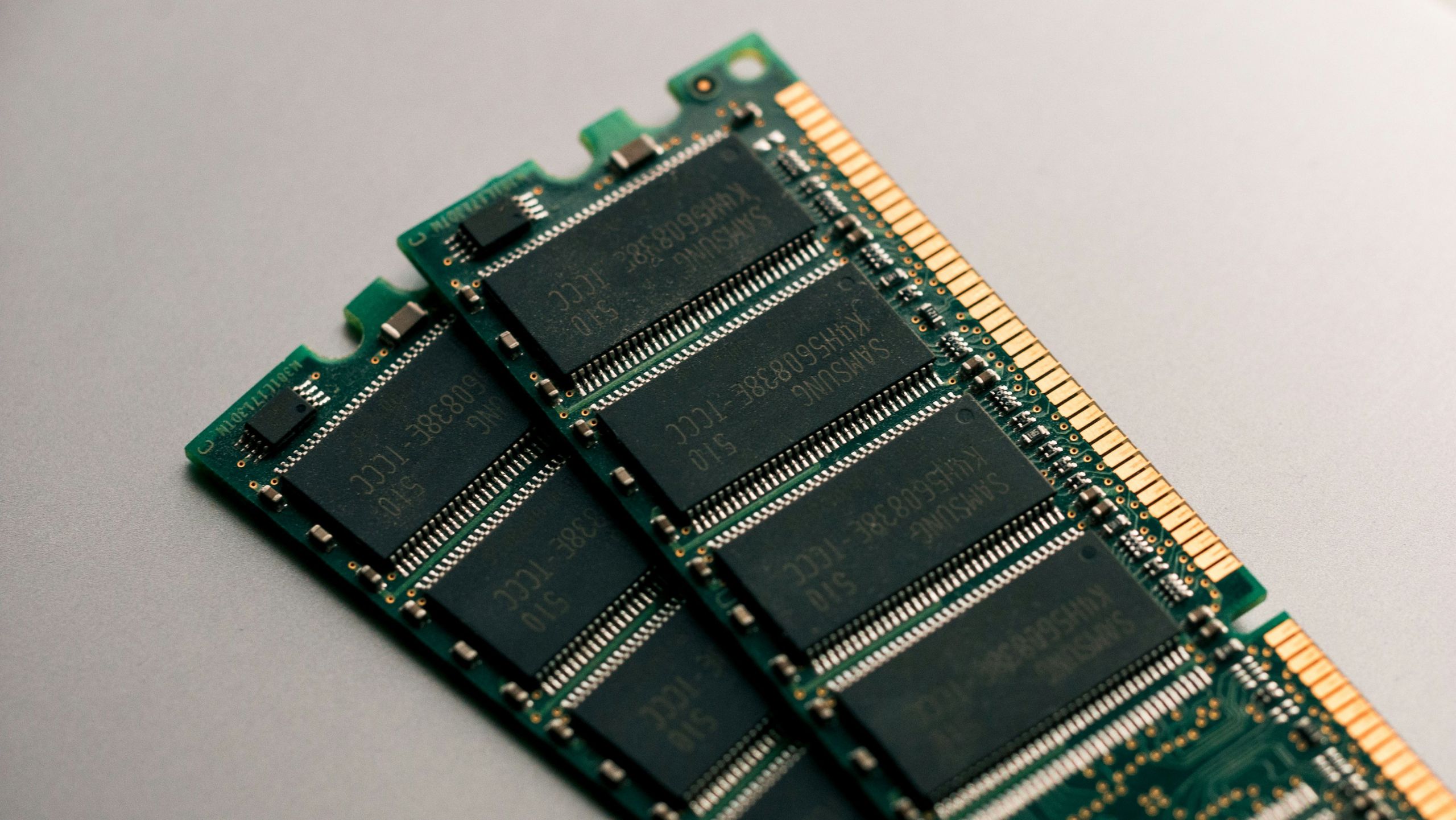
RAM and storage are two different types of memory used by computers, each serving a distinct purpose. RAM is used to temporarily hold data that the system is actively using, while storage is used to keep data permanently. Both are essential, but they play very different roles in how a computer operates. Understanding the difference … Read more

What is RAM?

RAM, or Random Access Memory, is a type of computer memory that stores data currently being used by the system. It allows the operating system and applications to access information quickly while the computer is running. Unlike permanent storage, RAM only holds data temporarily and is cleared when the device is turned off. RAM plays … Read more