What is storage on a computer

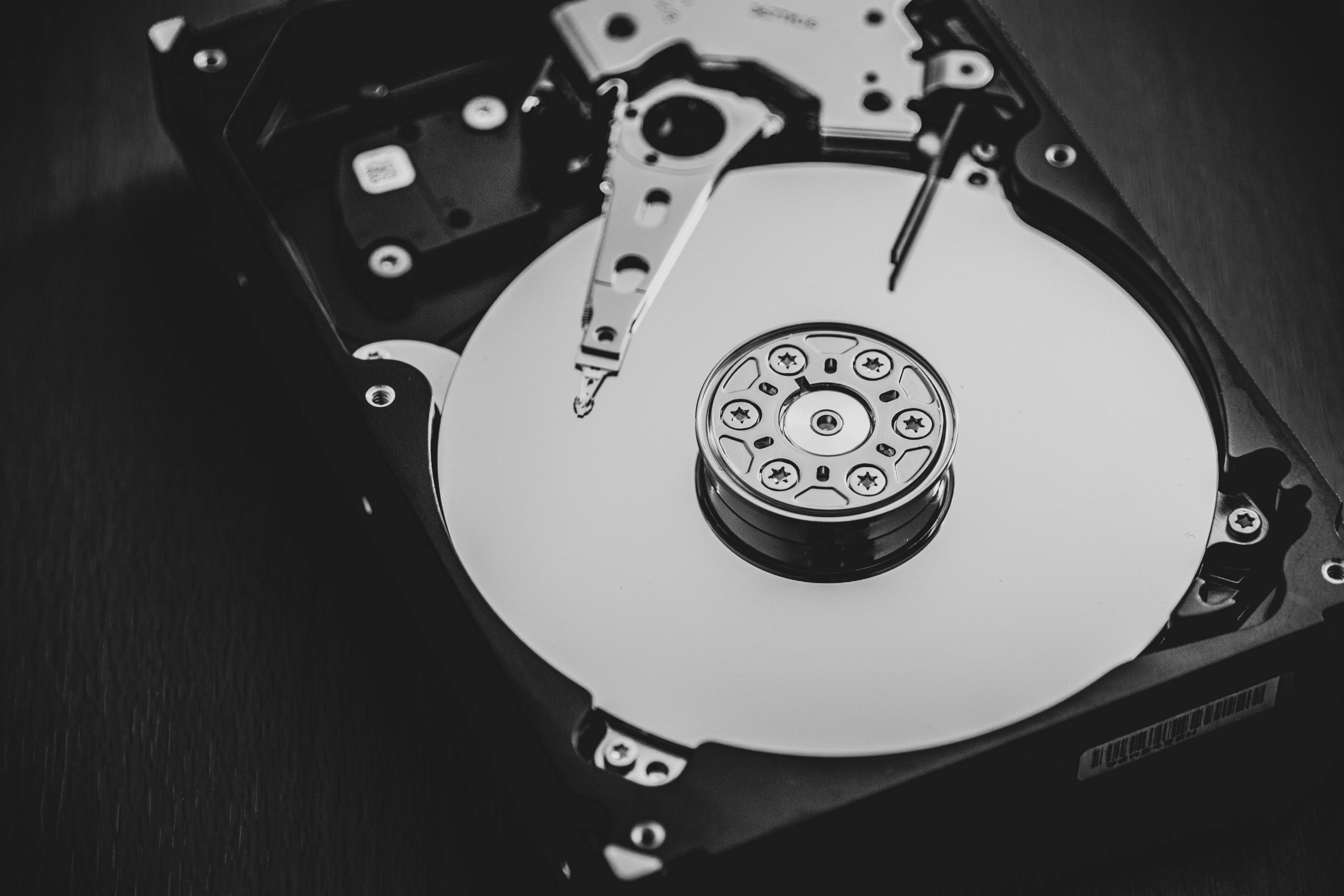
Storage on a computer is the component that keeps data permanently. It is where files, applications, and the operating system are saved so they remain available even when the computer is turned off. Storage allows users to keep information long term and access it whenever needed. Unlike temporary memory, storage is designed to retain data … Read more
What is a CPU

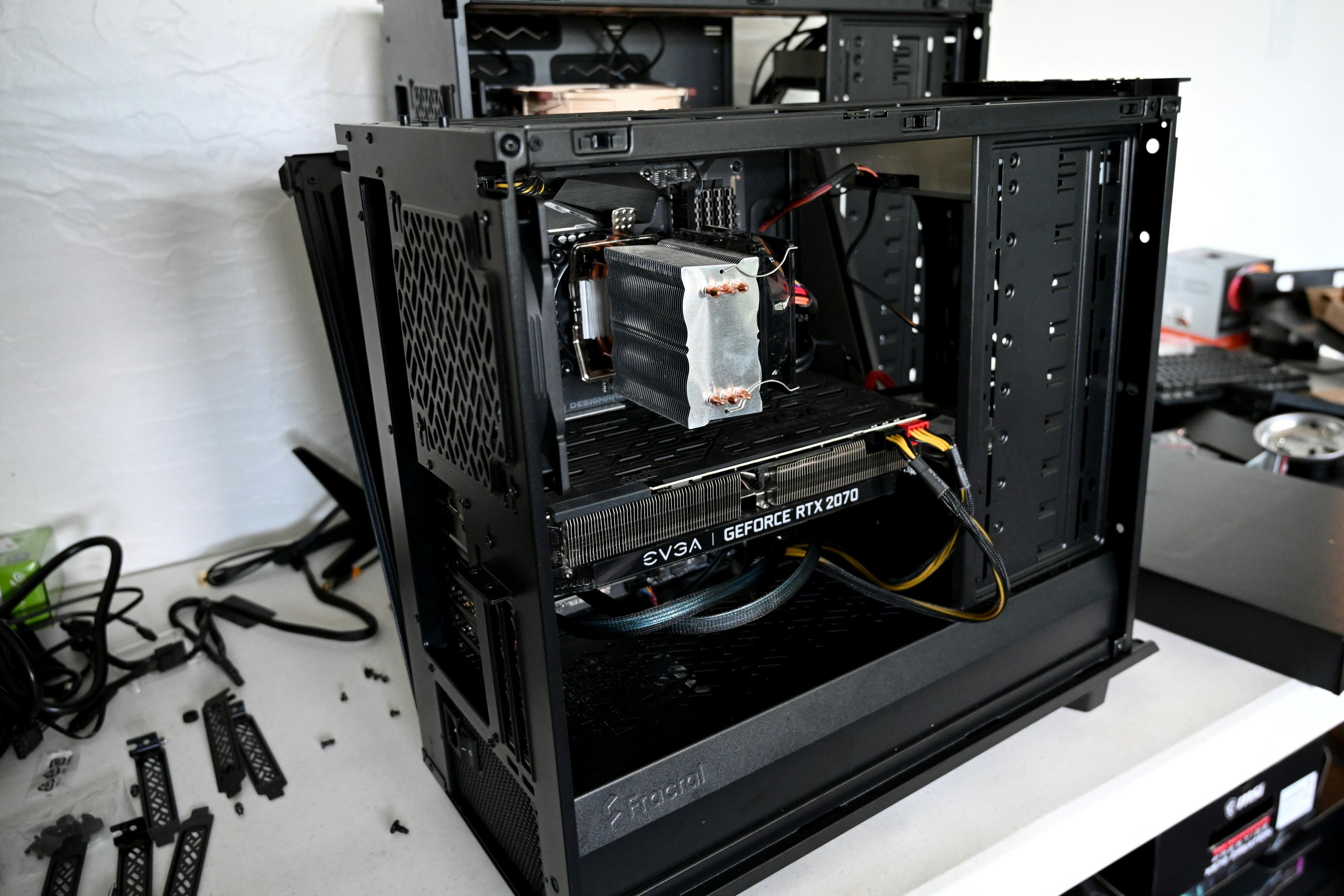
A CPU, or Central Processing Unit, is the main component responsible for processing instructions in a computer. It performs calculations, makes decisions, and coordinates tasks requested by software. Almost every action a computer performs involves the CPU in some way. The CPU works continuously while a device is powered on, handling both user actions and … Read more

Difference between RAM and storage

RAM and storage are two different types of memory used by computers, each serving a distinct purpose. RAM is used to temporarily hold data that the system is actively using, while storage is used to keep data permanently. Both are essential, but they play very different roles in how a computer operates. Understanding the difference … Read more

Difference between hardware and software

Hardware and software are the two main parts that make a computer work. Hardware refers to the physical components you can see and touch, while software refers to the programs and instructions that tell the hardware what to do. Both are essential and depend on each other to function properly. Without hardware, software cannot run. … Read more

What happens when you turn on a computer

When you turn on a computer, a sequence of steps begins to prepare the system for use. Hardware components are checked, essential software is loaded, and control is handed over to the operating system. This process happens automatically and usually takes only a short time. Although it looks simple from the outside, many coordinated actions … Read more

How a computer works

A computer works by receiving input, processing information, and producing output. It follows instructions stored as software and uses hardware components to carry out tasks. Every action, from opening a file to playing a video, follows this basic cycle. Although computers can perform complex operations, their fundamental behavior is based on simple and repetitive processes … Read more

How browsers load websites

How browsers load websites Browsers load websites by requesting, receiving, and displaying data from remote servers. When you enter a web address or click a link, your browser starts a process that gathers all the elements needed to show a page correctly. This includes text, images, styles, and interactive components. Although pages appear quickly, multiple … Read more

What is DNS

DNS, or Domain Name System, is a system that translates website names into network addresses. It allows devices to find websites using readable names instead of numeric identifiers. Without DNS, users would need to remember long numerical addresses to access online services. DNS operates silently in the background every time you access a website. It … Read more

What is an IP address

An IP address is a unique identifier assigned to a device connected to a network. It allows devices to find each other and exchange data over the internet or a local network. Without IP addresses, computers and servers would not know where to send information. Every time a device connects to a network, it uses … Read more

What happens when you visit a website

When you visit a website, your device goes through a series of steps to retrieve and display the page you requested. This process happens in seconds and involves your browser, multiple servers, and network infrastructure. Each step ensures that the correct information is delivered to your screen. Although the experience feels instant, many systems work … Read more