
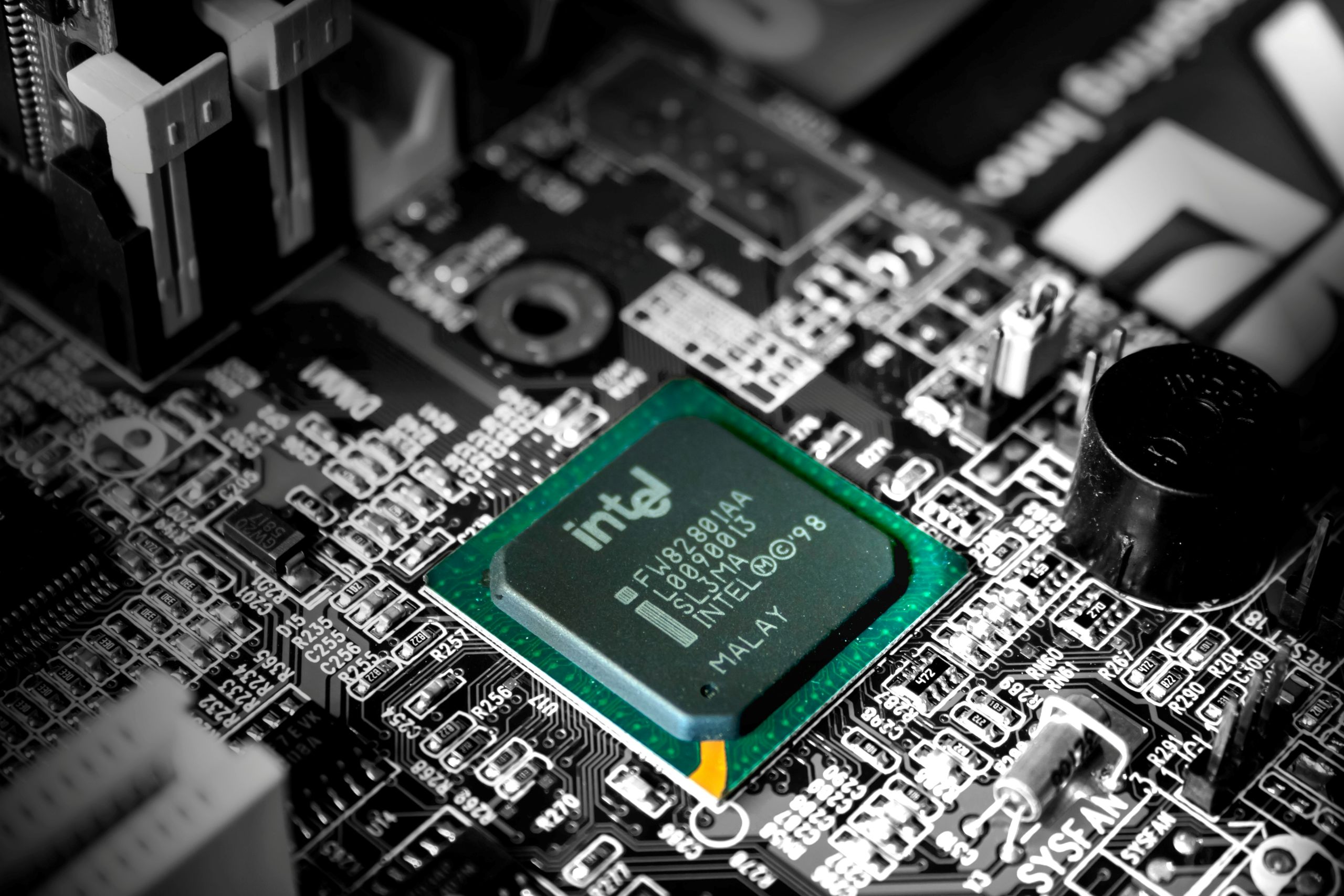
A CPU, or Central Processing Unit, is the main component responsible for processing instructions in a computer. It performs calculations, makes decisions, and coordinates tasks requested by software. Almost every action a computer performs involves the CPU in some way.
The CPU works continuously while a device is powered on, handling both user actions and background system tasks.
What this actually means in practice
In everyday use, the CPU is active whenever you open a program, type text, browse the web, or watch a video. It interprets instructions from software and executes them step by step.
When multiple applications are running, the CPU rapidly switches between tasks to keep the system responsive. This happens so fast that users usually experience it as multitasking.
If the CPU is overwhelmed, tasks may feel slower or delayed. This is why CPU activity has a direct impact on how smooth a system feels during use.
How a CPU works at a high level
At a high level, the CPU follows a simple cycle: it reads an instruction, processes it, and produces a result. This cycle repeats continuously, millions or billions of times per second.
The CPU works closely with memory to access the data it needs. Instructions and data are fetched from memory, processed, and then written back when necessary.
Modern CPUs are designed to handle many instructions efficiently by organizing work into small, manageable steps that can be executed rapidly.
What the CPU affects in real-world usage
The CPU affects how quickly programs respond, how well a system handles multiple tasks, and how efficiently applications run. Tasks such as browsing, file handling, and application logic rely heavily on CPU performance.
Some activities, like data processing or running complex applications, place higher demands on the CPU. Other tasks rely more on memory or storage, but still require CPU involvement.
Overall system responsiveness is influenced by how effectively the CPU can manage incoming tasks.
Common misunderstandings about CPUs
A common misconception is that a faster CPU automatically makes every task faster. In reality, performance also depends on memory, storage, and software design.
Another misunderstanding is that CPUs only matter for advanced or technical tasks. Even basic actions like opening menus or scrolling pages require CPU processing.
Some users believe the CPU stores data. CPUs process data but do not store information long term.
FAQ
Is the CPU active even when I am not using the computer?
Yes. The CPU continues to handle background tasks while the system is running.
Does having more CPU cores always improve performance?
It can help with multitasking, but not all tasks use multiple cores effectively.
Can a computer work without a CPU?
No. The CPU is essential for executing instructions and running software.
Conclusion
The CPU is the core processing unit that allows computers to execute instructions and manage tasks. It plays a central role in system responsiveness and overall operation. Understanding the CPU helps explain how computers perform everyday actions.