A computer works by receiving input, processing information, and producing output. It follows instructions stored as software and uses hardware components to carry out tasks. Every action, from opening a file to playing a video, follows this basic cycle.
Although computers can perform complex operations, their fundamental behavior is based on simple and repetitive processes executed very quickly.
What this actually means in practice
In everyday use, a computer allows users to interact with digital information. When you click, type, or tap, your input is converted into signals that the computer can understand.
The computer then processes these signals according to predefined instructions. The result is displayed on the screen, played through speakers, or saved as data. This process happens continuously while the computer is running.
Because computers perform these steps extremely fast, users experience smooth interactions even when many operations occur at the same time.
How a computer works at a high level
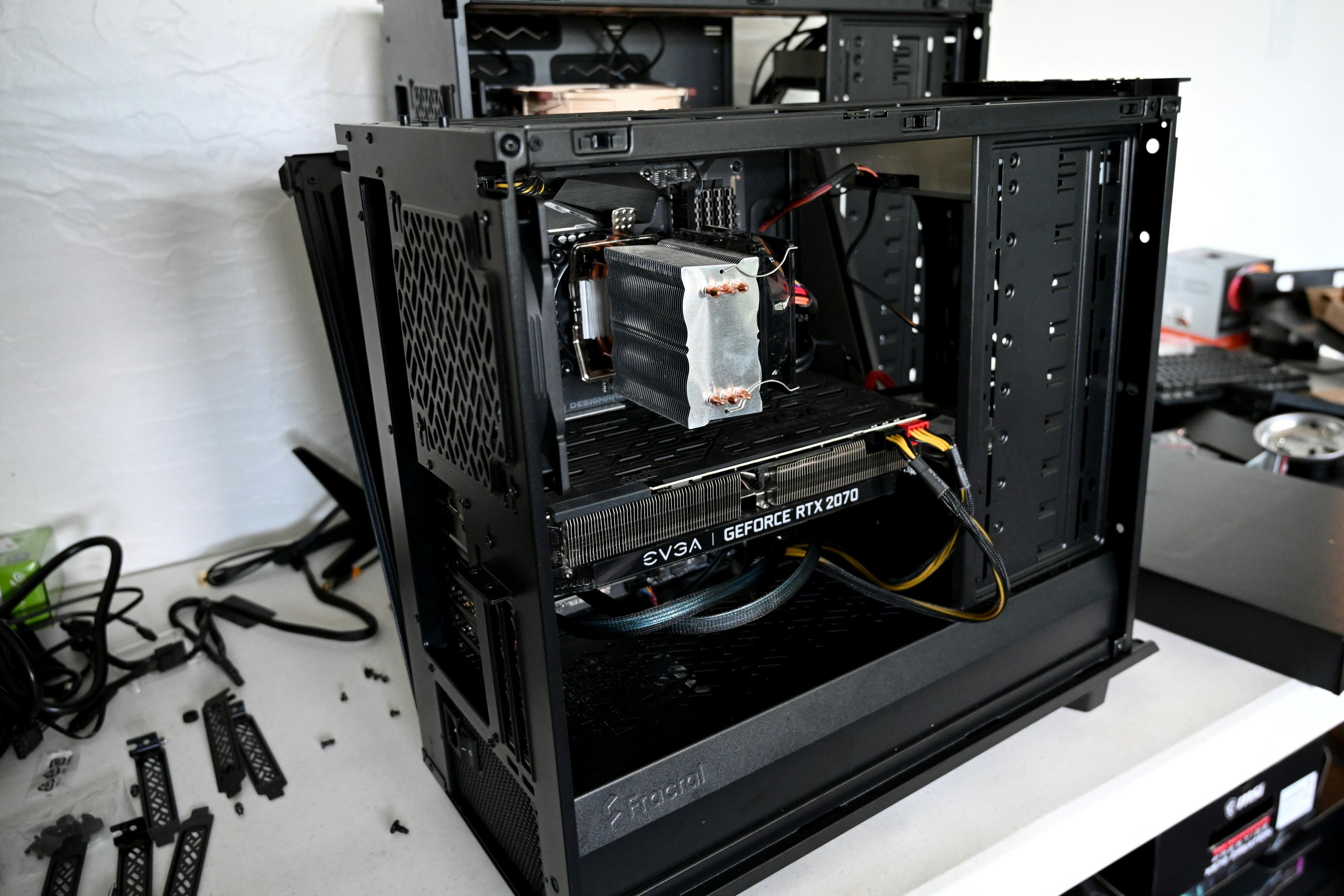
At a high level, a computer consists of several main components that work together. Input devices send data into the system, processing units handle calculations and decisions, memory temporarily stores active information, and storage keeps data long term.
The processor follows instructions step by step. It reads data, performs operations, and writes results back to memory or storage. This cycle repeats millions or billions of times per second.
An operating system coordinates all these activities. It ensures that hardware resources are shared properly and that applications can run without interfering with each other.
What happens while a computer is running
While a computer is running, many processes occur simultaneously. Background tasks manage system functions, while active applications respond to user actions.
The system continuously allocates resources such as processing time and memory. It prioritizes tasks to keep the computer responsive and stable.
Even when a computer appears idle, it is often performing maintenance tasks, monitoring hardware, or waiting for user input.
Common misunderstandings about how computers work
A common misconception is that computers think or make decisions on their own. In reality, computers only follow instructions provided by software.
Another misunderstanding is that computers perform one task at a time. Modern systems manage many tasks simultaneously by rapidly switching between them.
Some users also believe computers store all information permanently in memory. In fact, memory is temporary, and long-term data is stored separately.
FAQ
Do computers understand human language?
No. Computers process instructions and data in structured formats, not natural language directly.
Can a computer run without software?
No. Software provides the instructions that tell hardware what to do.
Why can computers do tasks so quickly?
They perform simple operations at extremely high speeds, allowing complex tasks to be completed rapidly.
Conclusion
A computer works by following instructions to process input and produce output. Its hardware and software components work together to perform tasks efficiently and reliably. Understanding this basic process helps explain how computers handle everyday activities.