
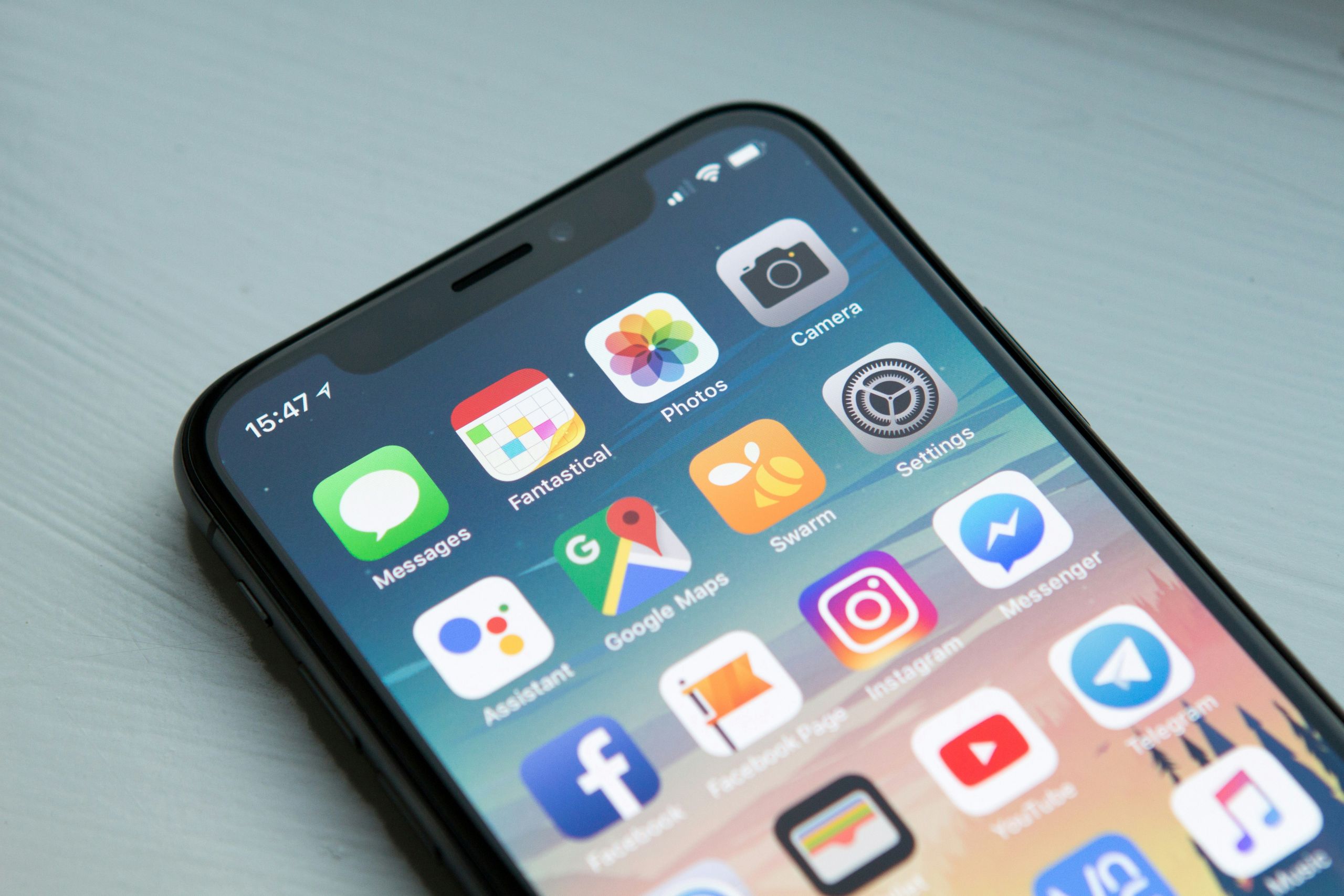
An application is a type of software designed to perform specific tasks for users. It allows people to interact with a computer or device to accomplish practical activities. Applications are what users typically think of when they use digital devices.
Applications run on top of an operating system, which provides access to hardware and system resources.
What this actually means in practice
In everyday use, applications are programs such as web browsers, text editors, media players, or messaging tools. When users open an app, they are launching software built to perform a particular function.
Applications provide interfaces that allow users to give instructions and receive results. Clicking buttons, typing text, or selecting options are all ways users interact with applications.
Each application focuses on a defined purpose, even though it may perform many related actions within that scope.
How applications work at a high level
Applications consist of instructions that are executed by the system when the app is launched. These instructions tell the computer how to process data, respond to input, and display output.
Applications rely on the operating system to handle low-level tasks such as memory management, file access, and hardware communication. This allows applications to focus on user-facing functionality.
When an application runs, it uses system resources such as processing power and memory. The operating system manages how these resources are shared among running apps.
What applications affect in real-world usage
Applications determine what tasks a device can perform. Installing different applications expands the functionality of a system.
Application design affects usability and efficiency. Well-designed applications are easy to use and respond quickly, while poorly designed ones can feel slow or confusing.
The number of applications running at the same time can also affect system responsiveness, as resources must be shared.
Common misunderstandings about applications
A common misconception is that applications and operating systems are the same. Applications run on top of an operating system and depend on it to function.
Another misunderstanding is that applications work independently of system resources. In reality, applications rely on hardware and operating system support.
Some users believe applications store all data internally. Many applications rely on system storage or cloud services to store information.
FAQ
Is an application the same as a program?
Applications are programs designed for user tasks, but not all programs are applications.
Can applications run without an operating system?
No. Applications depend on an operating system to access hardware and system services.
Do applications slow down a computer?
Running many applications at once can affect performance due to shared resources.
Conclusion
An application is software designed to help users perform specific tasks. It provides an interface for interaction and relies on the operating system to function. Understanding what an application is helps explain how users interact with computers and digital devices.